
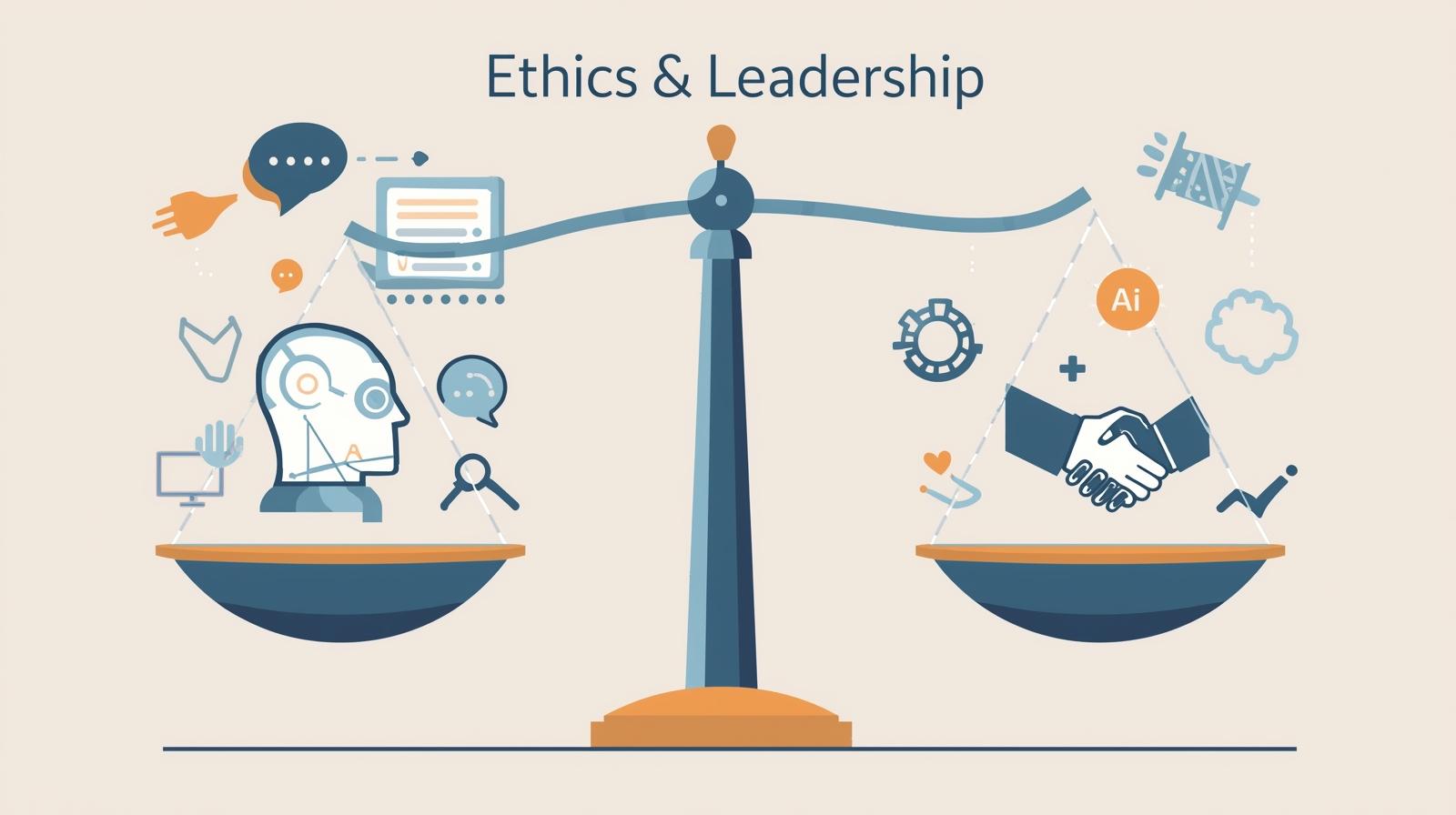
The business world is shifting at pace. For decades, leaders relied on reputation, networks, and SEO to ensure they and their organisations were visible. Today, a new factor is at play: AI leadership visibility. When someone asks a question, AI systems increasingly decide whose expertise is surfaced and trusted.
This raises a crucial question for every leader: how do you remain discoverable when AI decides whose expertise matters most?
The Visibility Challenge
Much of what happens on LinkedIn and other platforms – posts, comments, even livestreams – sits behind digital walls. AI tools cannot always see or index this content. That means valuable insights and expertise can remain hidden, no matter how often they are shared.
The solution is to extend your digital footprint into formats AI can find. Articles, newsletters, company page content, blogs, and YouTube uploads are all indexable. By repurposing material into these spaces, leaders ensure their voices remain visible in the conversations shaped by AI leadership visibility.
AI as an Assistant, Not a Replacement
The rapid progress of generative AI is a gift to busy leaders. Routine tasks – from drafting communications to summarising research – can now be completed in minutes. But AI alone cannot carry the weight of leadership influence.
The most effective approach is to use AI as an assistant. Allow it to suggest phrasings, structure your ideas, or highlight themes you might have overlooked. Then, apply your own voice and perspective to create authentic outputs. In doing so, you capture the efficiency of technology while ensuring credibility and trust remain intact.
Human Connection Still Wins
AI cannot replicate empathy, lived experience, or genuine human connection. For leaders, these qualities are non-negotiable. A simple personalised gesture – such as a video welcome to new team members or clients – will achieve far more than automated, AI-generated engagement ever could.
The future of leadership visibility is not about outsourcing relationships. It is about combining the speed of AI with the warmth and judgement that only humans can provide.
Critical Thinking and Ethical Responsibility
Another risk lies in over-reliance. Generative AI provides answers, but not always the right answers. Leaders must model critical thinking by fact-checking outputs and encouraging their teams to do the same.
Equally important is ethical use. Misuse of AI – whether through mass-produced generic content or unverified data – undermines credibility. Leaders who set clear standards for responsible use will not only protect their own influence but also guide others to adopt AI with confidence.
Collective Learning for Lasting Impact
The pace of change can feel daunting. But leadership does not mean having all the answers. Instead, it means creating an environment where teams, clients, and communities learn together. By sharing discoveries, experimenting, and acknowledging mistakes, leaders foster resilience and adaptability.
This shared approach accelerates adoption and reduces fear. It also ensures that the benefits of AI are spread widely, rather than siloed in isolated roles or departments.

Conclusion: Building Influence in the AI Era
AI is no longer on the horizon – it is here, and it is reshaping how influence is built and sustained. Leaders who ignore this reality risk irrelevance.
The most effective leaders will:
- Expand their visibility into formats AI can index
- Treat AI as an assistant, not a substitute
- Prioritise human connection and ethical practice
- Encourage shared learning across teams and clients
In short, they will embrace AI leadership visibility wisely – combining innovation with authenticity. That balance is what will ensure leadership influence not only survives but endures in the years ahead.