
The way professionals gain visibility online is changing. For years, LinkedIn rewarded posting frequency, keyword placement and the occasional engagement tactic. Consistency mattered, but the focus was largely on activity.
Today, that landscape has shifted. The introduction of LinkedIn’s new AI engine means that visibility is no longer determined simply by how often you show up, but by how clearly you define your expertise and how effectively you demonstrate it.
This new environment prioritises meaning over mechanics. The AI system now reads your content in a more human-like way. It evaluates what you say, how clearly you say it and whether your broader presence supports the message. Visibility has moved from post-level performance to profile-level credibility. And for professionals who want to remain discoverable in 2026, this shift requires a strategic recalibration.
The Importance of Clarity
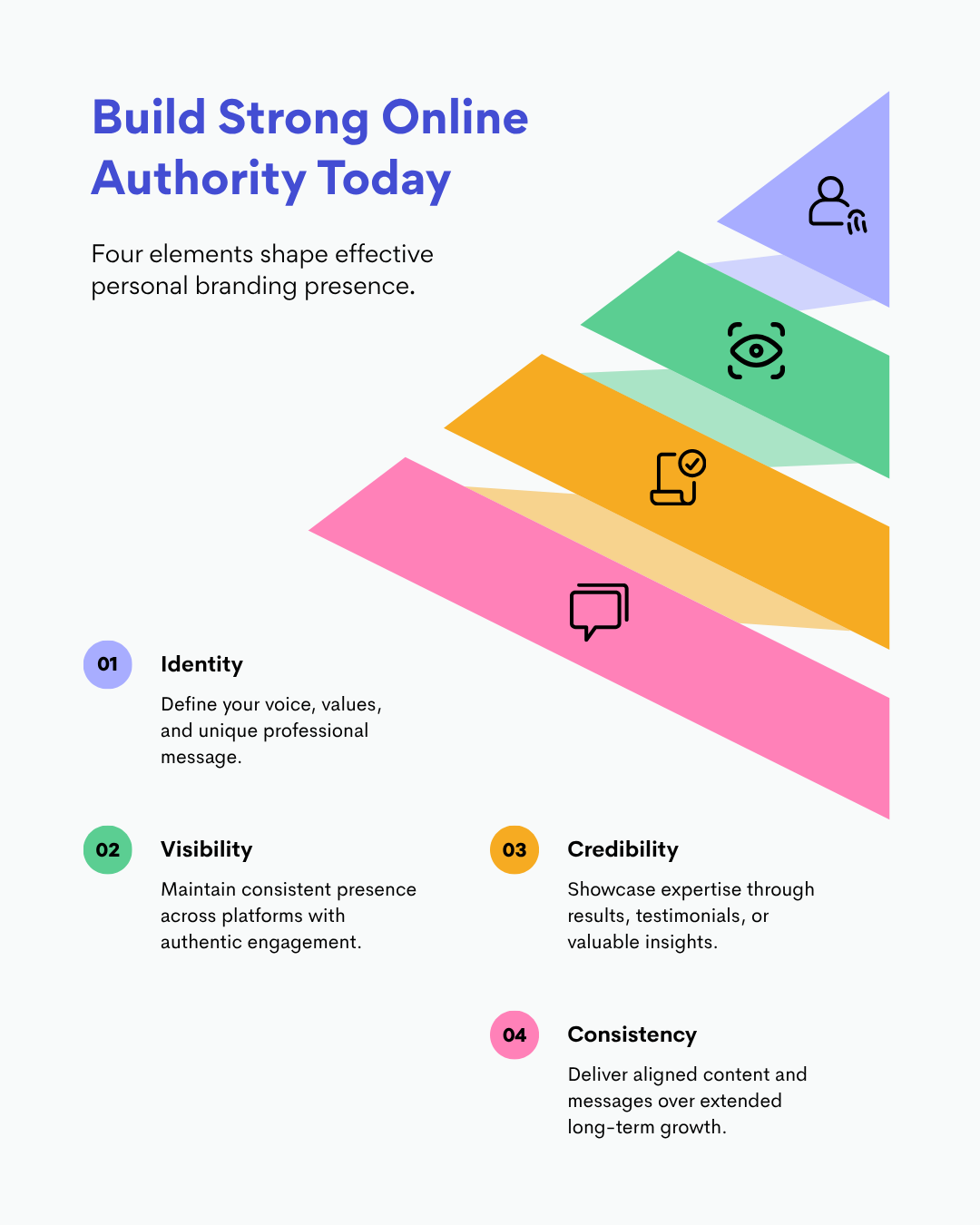
Visibility begins with clarity. Your audience – and now the AI engine – needs to understand what you want to be known for. The most effective way to do this is by defining three to five core topics that reflect your expertise and the value you bring. These are your topic lanes. When you stay within them consistently, your content becomes recognisable. Over time, this creates an association between your name and your professional focus.
Clarity is not simply about choosing topics. It is about maintaining a coherent narrative around them. If your messaging is scattered or overly broad, the system struggles to categorise you. And when it cannot categorise you, it cannot confidently surface your content to the right audience. Clarity allows your visibility to work efficiently. It ensures that when someone searches for expertise you offer, your work is positioned to be found.
Aligning Your Profile With Your Message
The next critical factor is alignment. Your profile is no longer just a digital CV. It is the identity anchor that supports your presence on the platform. The AI engine now evaluates your headline, About section and Featured content as part of determining how your posts should be distributed. If your content speaks to one area of expertise but your profile reflects another, your reach is likely to decline.
This is why profile alignment is not cosmetic – it is strategic. Your headline should express your value clearly and in language that aligns with how your audience thinks about the problems you solve. Your About section should communicate not only what you do, but why it matters and for whom. And your Featured section should demonstrate credibility through articles, videos, interviews or resources that reinforce your leadership in your chosen topics.
A clear, credible profile sets the foundation for consistent visibility. It signals to both people and the platform that your expertise is established and intentional.
The Rise of Contribution-Driven Visibility
The shift toward AI-driven discoverability has also changed the role of engagement. Posting alone is no longer enough. The visibility signals that matter most now come from contribution. Commenting on the content of others, adding thoughtful perspective and participating in conversations are the activities that tell the system you are an active and relevant part of your professional community.
This does not mean engaging indiscriminately. Effective contribution is aligned with your topic focus. By engaging in discussions that relate to your areas of expertise, you reinforce your identity and strengthen your visibility signals. Moreover, this practice builds trust with others in your field. It demonstrates not only what you know, but how you think.
Posting without engaging – often called post and ghost – now works against you. The system interprets limited contribution as limited presence. The more consistently you participate, the more discoverable you become.
Micro-Communities and the Power of Connection
Another emerging trend in the new LinkedIn environment is the growing importance of micro-communities. These small, engaged networks of professionals support one another’s work, exchange insight and collaborate in meaningful ways. Unlike engagement pods, which are transactional in nature, micro-communities are built on shared interests and mutual benefit. They strengthen visibility by generating genuine dialogue rather than artificial signals.
These networks also reflect how expertise is shared today. Leadership is increasingly distributed across groups rather than held by a single authoritative voice. By participating actively in micro-communities, professionals can gain broader perspective, expand their relationships and enhance their thought leadership.
Visibility is not only about being seen. It is about being recognised.
Extending Visibility Beyond LinkedIn
Finally, discoverability now extends beyond the platform itself. Much of LinkedIn is not searchable from outside its environment. Posts are visible only to those who are logged in. But articles, newsletters and external content such as Substack essays or YouTube videos are accessible publicly and indexed by search engines.
This makes cross-platform presence a strategic advantage. Publishing content that reinforces your expertise on platforms beyond LinkedIn increases your visibility in search, strengthens your professional footprint and ensures you remain findable when people look for you.
The goal is not to be everywhere. It is to be discoverable where it matters.
Preparing for 2026
The professionals who will be most discoverable in 2026 are those who adapt their approach now. They will be clear about what they offer, consistent in how they communicate and active in contributing to the conversations that matter in their field. Discoverability is no longer a by-product of participation. It is the result of strategic clarity, visible credibility and meaningful contribution.
The landscape has changed. But the opportunity to be found – and to be recognised – has only grown stronger for those who step into it intentionally.