Most people use LinkedIn the way they think they are supposed to use it: by posting, connecting, commenting when they remember, and hoping the algorithm smiles kindly upon them.
But this approach rests on outdated assumptions.
LinkedIn is no longer just a social network. It is now part of a much larger ecosystem shaped by artificial intelligence, search relevance, semantic understanding and behavioural signals.
This shift has left many thoughtful professionals feeling confused.
- Their visibility has dropped.
- Their content is not being seen.
- Their profile views have declined.
- And they are left wondering what on earth they are doing wrong.
The answer, in most cases, is simple: they are using an old model to navigate a platform that has fundamentally changed.
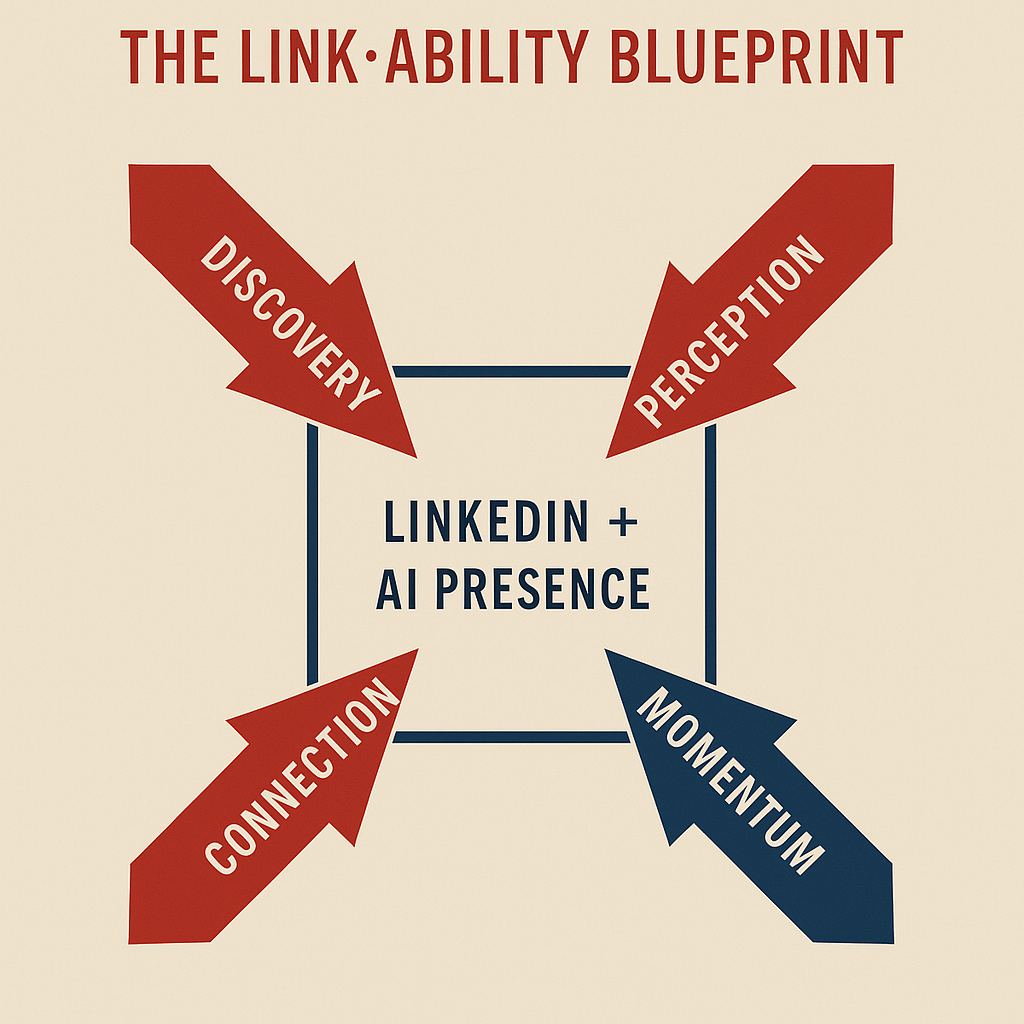
This is why I created the Link∙Ability Blueprint.
It is a clear, practical framework that explains what LinkedIn really does in the AI era.
- Not what people assume it does.
- Not what old articles tell you it does.
- What it actually does today.
The Blueprint breaks LinkedIn into four foundations that determine your visibility, credibility and opportunities. When you understand these foundations, everything else becomes easier: profile building, content planning, networking, commenting, and even how AI surfaces you to the right people.
Here is how the Blueprint works.
Foundation 1: Discovery
Discovery is how people find you – and how AI finds you.
Most LinkedIn users believe visibility comes from posting. In reality, visibility comes from being discoverable. That means LinkedIn and AI can understand what you do, categorise your expertise and match you with the right searches, people and opportunities.
Discovery is powered by things like semantic search alignment, your profile’s clarity, the topics you are associated with, your network interactions and the signals LinkedIn gathers when you comment and participate.
If you are not discoverable, nothing else matters. People who need you simply will not find you.
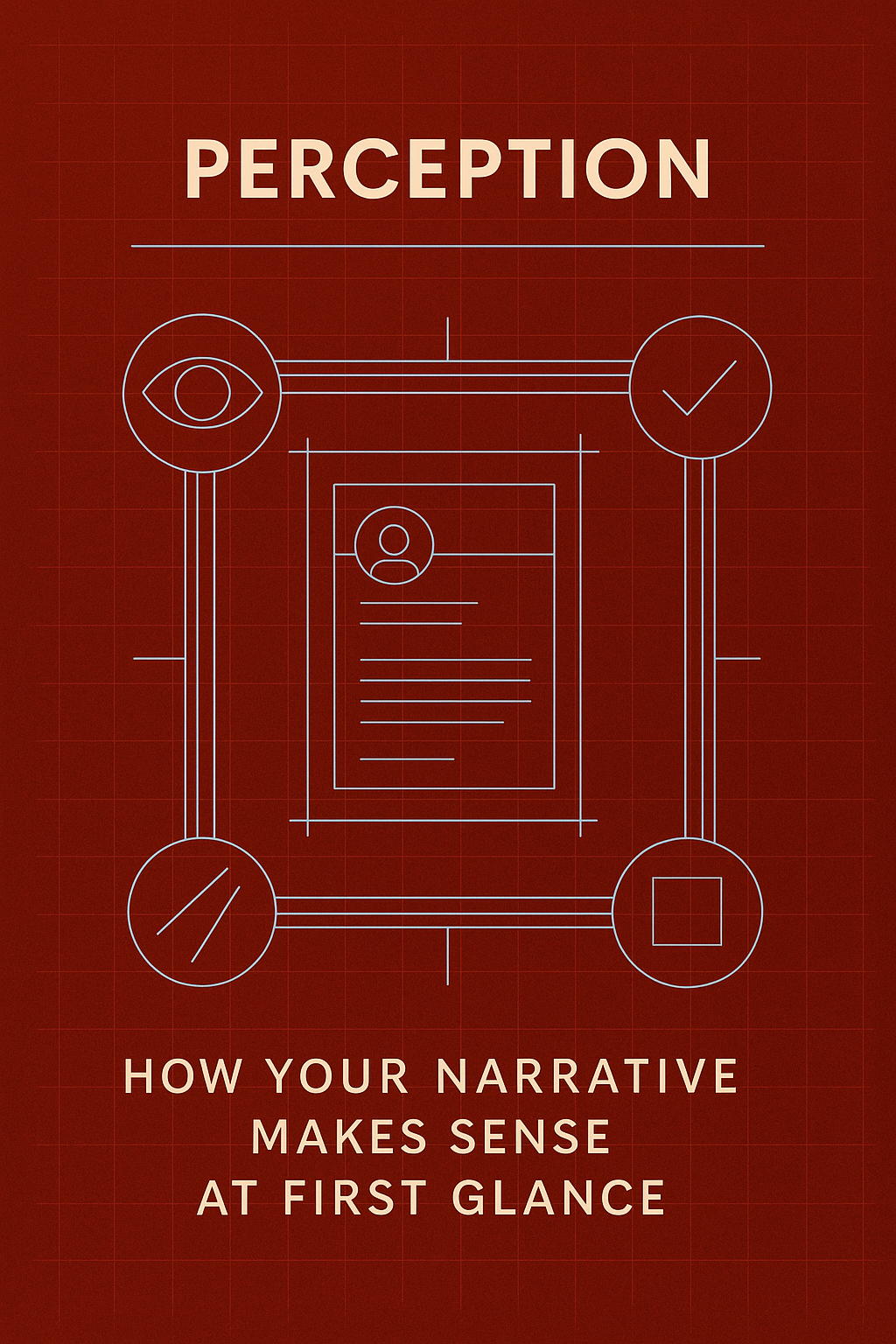
Foundation 2: Perception
Once someone discovers you, Perception determines what they understand immediately.
This happens in seconds.
Your headline, banner, profile narrative and proof points either create clarity or create confusion.
Perception is not about being polished or perfect. It is about being easy to understand. You want visitors to instantly recognise your expertise, your direction and the value you offer.
Perception is also how AI interprets your expertise.
- If your profile is vague, contradictory or unfocused, AI does not know how to index you.
- If AI cannot index you, it cannot surface you.
Perception is therefore a clarity engine: the layer that ensures people and AI understand who you are and why you matter.
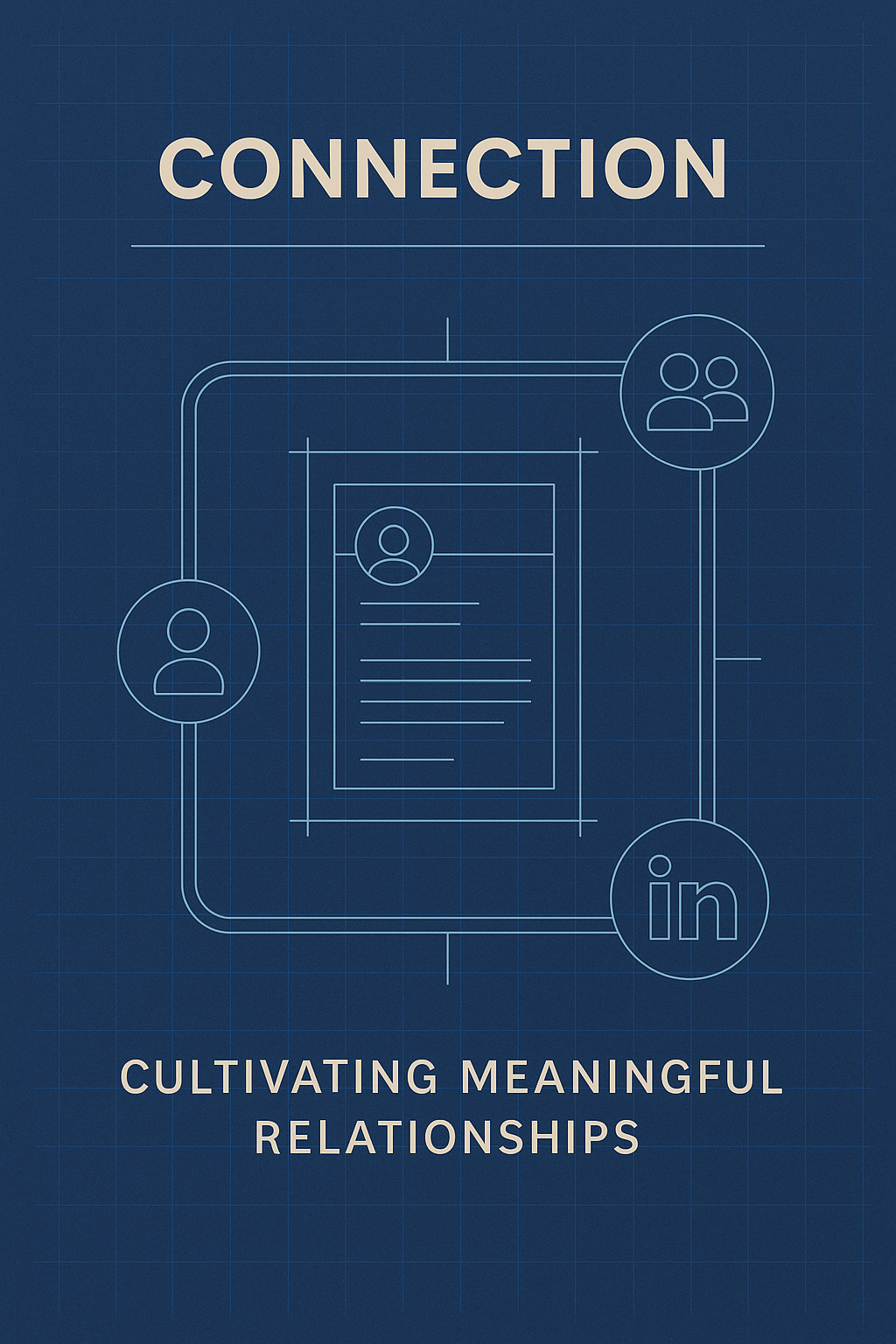
Foundation 3: Connection
Connection is where real opportunity originates.
LinkedIn is not a content platform – it is a relationship platform. The most valuable outcomes on LinkedIn come from conversations, generosity, trust-building and micro-communities.
This means that liking and posting are not enough. Your visibility improves when you participate meaningfully: commenting, sharing insight, supporting others and creating touchpoints that teach both humans and algorithms who you are relevant to.
Connection is about behaving in a way that strengthens your professional relationships over time. It is about being present, thoughtful and consistent in the circles that matter to your work.
The strongest opportunities come from this foundation.
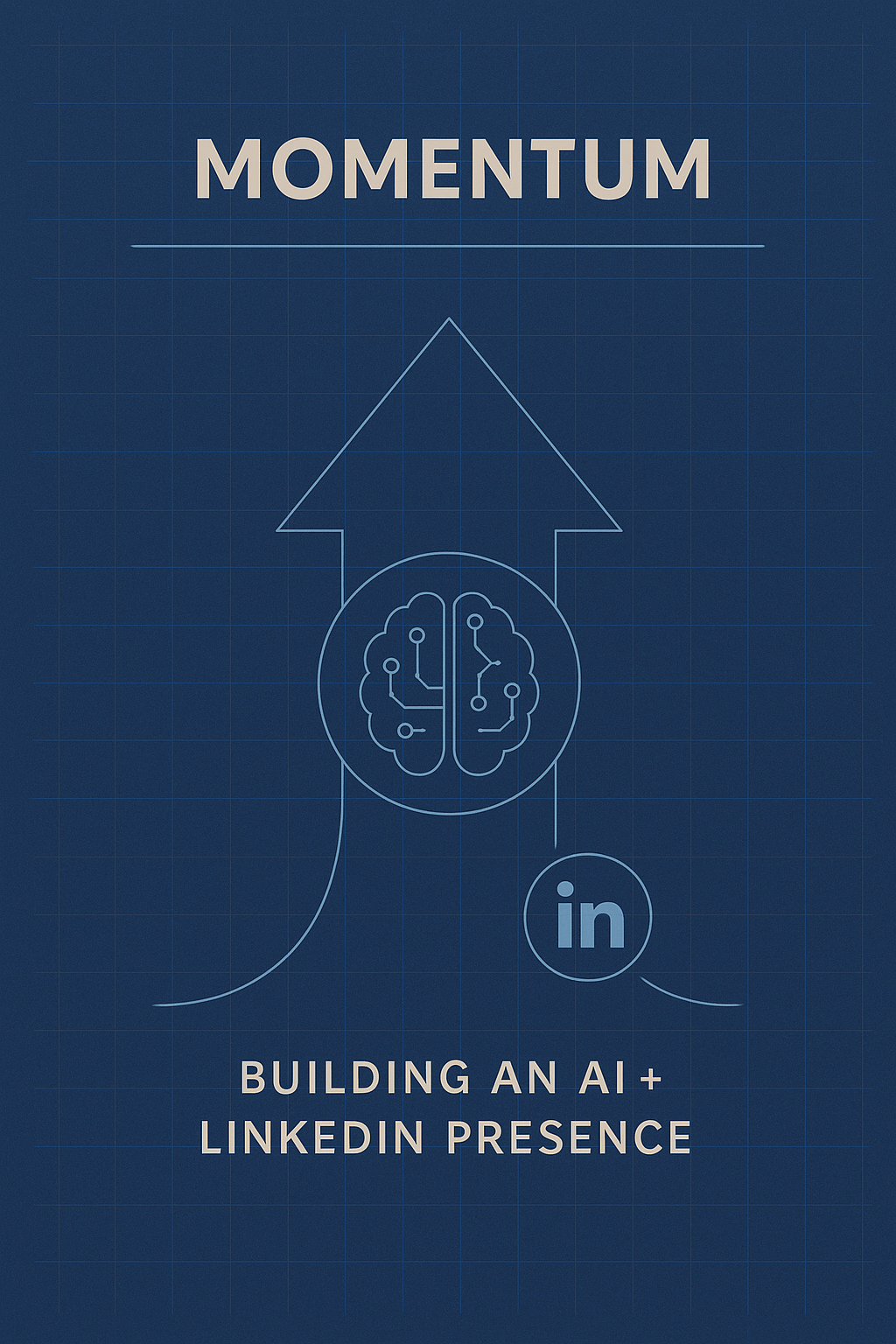
Foundation 4: Momentum
Momentum is the compounding effect that makes you memorable.
It is not about posting more. It is about staying active in credible, intentional ways so that your presence remains visible, relevant and trusted.
Momentum is built through consistent topic focus, thought leadership, participation in micro-communities, interaction with others and a recognisable voice. When you show up in steady, meaningful ways, people begin to associate you with your area of expertise.
AI also learns from this consistency.
If you regularly contribute to conversations that align with your expertise, the system becomes more confident in recommending you.
Momentum is therefore the foundation that sustains your visibility in the long term, without burnout or pressure to chase metrics.
Bringing the Four Foundations Together
The Link∙Ability Blueprint gives a clear, modern explanation of how LinkedIn actually works. It replaces outdated habits with strategic understanding and practical focus.
- Discovery ensures people and AI can find you.
- Perception ensures they understand you.
- Connection ensures they trust you.
- Momentum ensures they remember you.
When all four foundations are present, LinkedIn becomes a powerful engine for professional opportunity. Not because you post every day, but because you show up in a way that is discoverable, understandable, connected and consistent.
This is what LinkedIn rewards.
This is what AI recognises.
And this is what unlocks long-term visibility and influence.
Over the coming weeks, I will be sharing more ways to use the Blueprint in your own LinkedIn practice, including practical steps you can take immediately to strengthen each of the four foundations.
For now, simply know this:
- LinkedIn is not mysterious.
- It is not unpredictable.
- And it is not about chasing the algorithm.
It is about using a clear, human, AI-aware strategy that puts you firmly in control of how you are found, understood and remembered.
The Blueprint is the starting point. And from here, everything becomes clearer.